Tesla Stock Forecast 2026: Energy & FSD Drivers

AI forecast
While headlines fixate on robotaxis, Tesla’s 2026 valuation hinges on energy storage margins and software licensing. We break down the real revenue drivers for TSLA.
- Energy storage, not cars, is becoming Tesla’s fastest-growing revenue engine.
- FSD licensing offers a path to high-margin software revenue without vehicle sales dependency.
- Robotaxi timelines remain speculative; 2026 pricing should reflect current cash flow realities.
- Our AI forecasts are experimental and in our checks were no better than a simple "no change" guess.
- Macro tech volatility and election uncertainty are currently suppressing growth-stock valuations.
The Shift from Vehicle Volume to Energy Margins
Wall Street has spent years pricing Tesla (TSLA) as a car company with software potential. That model is breaking. For a credible tesla stock forecast 2026, investors must pivot from debating delivery numbers to analyzing the gross margins of the Energy division. While robotaxi headlines dominate social media, the Megapack battery storage business is quietly becoming the company’s most reliable growth catalyst.
The Energy segment has consistently outpaced automotive growth in recent quarters. It benefits from supply chain constraints in the traditional utility sector and rising grid instability globally. Unlike vehicle manufacturing, which suffers from heavy capital expenditure and competitive pricing pressure, utility-scale energy storage commands healthier margins and sticky long-term contracts. This shift changes the valuation multiple investors are willing to pay.
Why Energy Storage Is the Real 2026 Driver
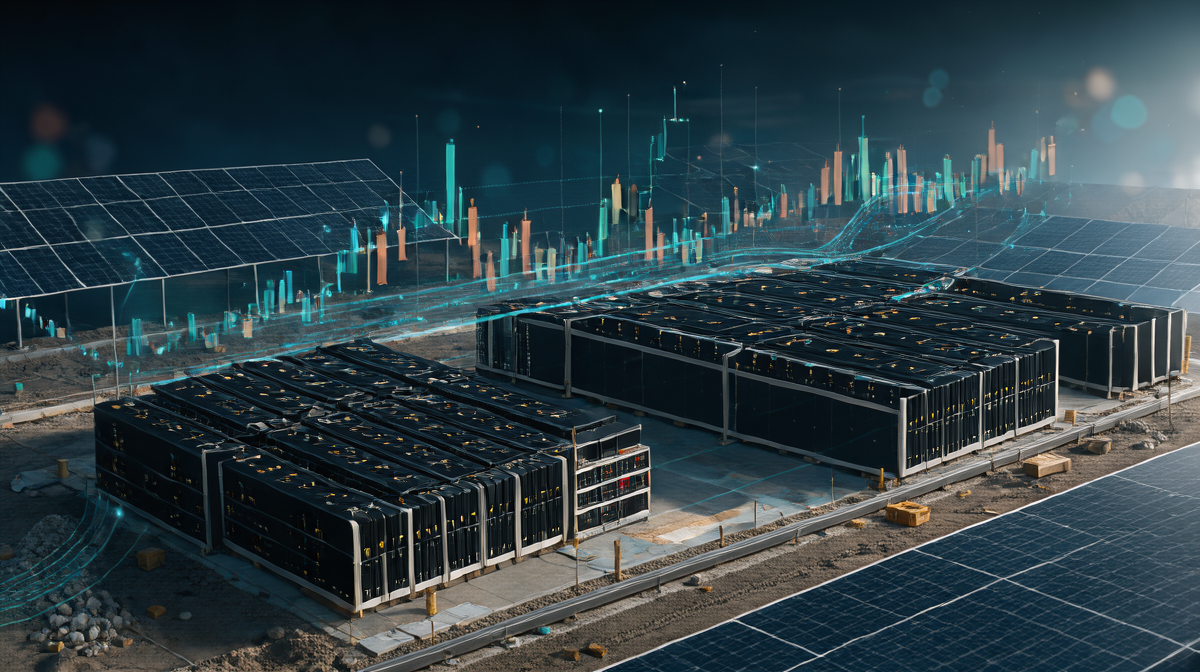
The global transition to renewable energy requires massive grid stabilization. Tesla’s Megapacks address this bottleneck directly. Competitors like Fluence are struggling to meet demand, leaving Tesla with a significant first-mover advantage in production scale and cost efficiency.
Current reports suggest the Energy segment is approaching profitability parity with the automotive division on a contribution-margin basis. If this trend holds through 2026, Tesla effectively becomes a two-engine company: vehicles and energy infrastructure. This diversification reduces reliance on consumer discretionary spending, which is vulnerable to the economic softness currently seen in the tech-heavy Nasdaq.
Production Capacity and Demand Signals
Tesla has aggressively expanded its Lathrop, California, and Shanghai gigafactory capabilities for energy storage. The demand pipeline is robust, driven by utility mandates in the US and Europe. However, execution risks remain. Supply chain disruptions for lithium and other raw materials could compress margins faster than anticipated.
FSD Licensing: The Software Monetization Wildcard
Full Self-Driving (FSD) remains the most polarizing aspect of the tesla stock price prediction. The bull case no longer rests solely on selling FSD subscriptions to owners. The bigger opportunity is licensing the software stack to other automakers.
Traditional manufacturers are behind on autonomous driving software. Developing a safe, scalable stack in-house is prohibitively expensive for many mid-tier brands. If Tesla can package its vision-based FSD system for third-party integration, it unlocks a high-margin software revenue stream with minimal incremental cost.
The Path to Third-Party Integration
Reports indicate Tesla is in preliminary discussions with several legacy automakers. No deals have been confirmed, but the economic logic is sound. A licensing model would allow Tesla to monetize its AI training data and neural network architecture without needing to sell more cars. For 2026, even a small percentage of the global fleet running on Tesla’s stack would significantly boost earnings per share.
Robotaxi Timelines: Speculation vs. Reality
Investors should temper their robotaxi expectations for 2026. Regulatory hurdles, insurance complexities, and the need for widespread unsupervised autonomy make a large-scale, profitable robotaxi fleet a distant prospect. While Tesla has demonstrated progress with its Cybercab concept, the transition from pilot programs to a revenue-generating network is years away.
Valuing Tesla on robotaxi potential today assumes a level of regulatory approval and consumer adoption that has not yet materialized. The safer 2026 thesis focuses on what is already generating cash: energy storage and automotive sales, with FSD as an emerging but unproven upside.
Market Context and Volatility Risks
Tesla does not operate in a vacuum. The broader tech sector is currently experiencing a correction. The Nasdaq 100 has seen its worst month since 2025, driven by disappointing earnings from major AI players and fears of a valuation bubble. This environment hurts high-multiple growth stocks like TSLA disproportionately.
Investors are dumping tech shares ahead of midterm elections and key earnings reports from companies like Apple and Alphabet. This risk-off sentiment creates headwinds for Tesla’s stock price, regardless of its fundamental performance. Volatility is expected to remain elevated until macro clarity emerges.
Impact of AI Sector Reckoning
The recent "AI reckoning" has squeezed valuations across the board. If the market continues to question the near-term profitability of AI-driven businesses, Tesla’s software narrative may face skepticism. The stock’s correlation with the Nasdaq means it will likely track broader tech sentiment in the short term.
What to Watch for the Rest of 2025
To gauge the trajectory for 2026, monitor three specific metrics. First, Energy segment gross margins. If they sustain above 30%, the thesis holds. Second, any confirmed FSD licensing partnerships. A single major deal would re-rate the stock. Third, overall automotive delivery growth. If deliveries stall while energy grows, the mix shift is validated.
Our AI forecasts are experimental and in our checks were no better than a simple "no change" guess. Use them as a baseline, not a signal. The real drivers are operational execution and strategic partnerships.
Final Perspective on TSLA Valuation
A tesla stock forecast 2026 based on energy growth and software licensing is more grounded than one built on robotaxi hype. The company is evolving from a car manufacturer into an energy and AI infrastructure provider. This transition takes time and carries execution risk.
However, the revenue potential in energy storage is tangible and present. FSD licensing offers asymmetric upside. Investors should focus on these fundamentals rather than speculative autonomy timelines. In a volatile market, clarity on cash-flow drivers is worth more than narrative excitement.
Frequently asked questions
Is Tesla a buy for 2026 based on energy growth?
Tesla’s energy segment is its fastest-growing and most reliable revenue driver, potentially supporting the stock if margins hold. However, valuation depends on broader market sentiment and execution on software licensing.
Will Tesla’s robotaxi launch impact stock price in 2026?
Likely not significantly. Regulatory and technical hurdles make a profitable, widespread robotaxi network unlikely by 2026. Investors should weigh energy and software more heavily in short-term valuations.
How does FSD licensing change Tesla’s valuation model?
Licensing FSD would create a high-margin software revenue stream independent of vehicle sales. This could justify a higher price-to-earnings multiple by diversifying income and reducing capital intensity.
Why is Tesla stock volatile with the Nasdaq?
Tesla is a high-growth tech stock with a high valuation multiple. It is sensitive to interest rates and tech sector sentiment, causing it to trade in tandem with the Nasdaq 100 during market corrections.
What are the main risks to Tesla’s 2026 outlook?
Key risks include slowing vehicle deliveries, energy margin compression from competition, delays in FSD regulatory approval, and broader tech sector sell-offs driven by macroeconomic uncertainty.
Please note. AI Stock Predictions content is generated by artificial-intelligence and machine-learning models for educational and informational purposes only. It is NOT financial, investment or trading advice. Forecasts can be wrong. Always do your own research and consult a licensed financial advisor before making investment decisions. Investing involves risk, including possible loss of principal. Our AI forecasts are experimental: in our own checks they were no better than a simple “no change” guess.
Securities in this article
- TSLA Tesla Motors · Smart Score 1/10 · Valuation
Smart Score, valuation and dividends in AI-Stock Invest: rules-based descriptions, the same for every reader — information, not advice.