Best AI Stock Trading Tools for Automated Screening 2026

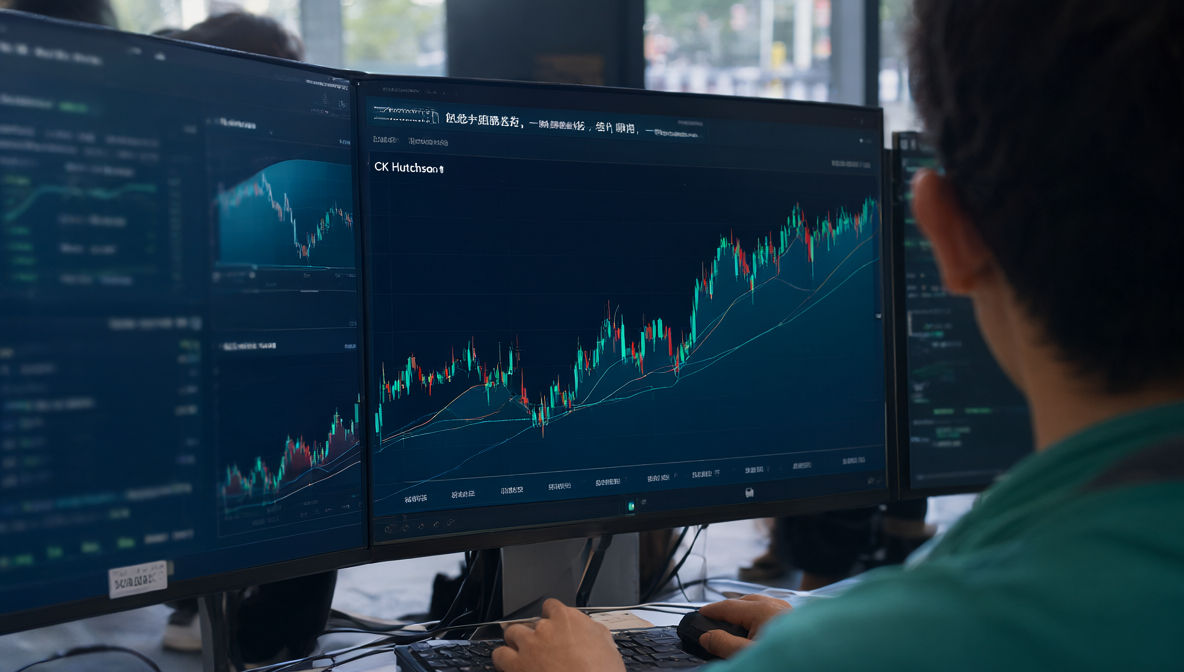
Automated screening has shifted from simple filters to complex pattern recognition. This guide examines how current AI tools process data and what investors should prioritize when selecting a platform in 2026.
- Modern AI screening prioritizes speed of data ingestion over complex predictive modeling.
- Effective tools combine fundamental filters with sentiment analysis rather than relying solely on technical indicators.
- Our own AI forecasts are experimental; in checks, they were no better than a simple "no change" guess.
The Shift in Automated Screening Logic
The landscape of automated investing has matured significantly since the early adoption of algorithmic filters. In 2026, the most effective tools do not merely sort stocks by price-to-earnings ratios. They ingest vast amounts of unstructured data, including earnings call transcripts, supply chain reports, and real-time sentiment metrics. This shift allows for a more nuanced view of market positioning, moving beyond the static snapshots that characterized earlier generations of stock screening software.
Investors today require tools that can process these disparate data points instantly. The goal is not just to find a cheap stock, but to identify discrepancies between market price and underlying fundamentals before the broader market adjusts. This requires processing power and algorithms capable of weighing conflicting signals. For example, a company might show strong revenue growth but negative sentiment regarding its supply chain stability. A robust AI tool weighs these factors simultaneously, offering a holistic view that manual screening often misses.
Core Features of Leading Platforms
When evaluating the best AI stock trading tools for automated screening in 2026, focus on three core capabilities: data integration speed, customizable logic engines, and historical backtesting accuracy. Speed is critical because market inefficiencies close rapidly. A tool that processes earnings data hours after release provides little edge. Conversely, platforms that integrate directly with news feeds and financial statements can flag opportunities in real time.
Customizable logic engines allow users to define their own investment criteria. While some platforms offer preset strategies, the most versatile tools let users build custom screens. You might want to filter for technology companies with high R&D spending and positive analyst revisions. The ability to tweak these parameters ensures the screening process aligns with your specific risk tolerance and investment horizon.
Historical backtesting remains a vital component. Before deploying capital, you need to know how your screening criteria would have performed in past market cycles. Look for tools that allow you to test your logic against multiple years of market data, accounting for dividends and splits. This verification step reduces the risk of overfitting your strategy to recent market conditions.
Data Sources and Integration
The quality of your screening results depends heavily on the underlying data sources. Top-tier platforms aggregate data from multiple providers to ensure accuracy and reduce latency. They cross-reference fundamental data with market movements to validate signals. For instance, if a stock’s price drops sharply, the tool should immediately check if this coincides with a broader sector decline or a company-specific event. This contextual layer helps filter out noise, ensuring that your automated alerts are relevant to your strategy.
Analyzing Major Tech Giants with AI Tools
Consider how automated screening applies to large-cap tech stocks like NVIDIA (NVDA). These companies often dominate market indices and influence broader sentiment. An effective AI screening tool can isolate NVDA’s performance relative to its peers, analyzing metrics like gross margin expansion and data center revenue growth. It can then compare these trends against historical patterns to identify potential divergence points.
For a company like NVDA, simple technical indicators often provide limited insight due to high volatility. Advanced screening tools incorporate sentiment analysis from tech sector news and semiconductor industry reports. They weigh these qualitative factors against quantitative metrics like earnings per share growth. This multi-factor approach helps investors understand whether a price movement is driven by fundamental shifts or temporary market sentiment. The tool does not predict the future; it highlights correlations and anomalies that require further human review.
Sector Correlation Analysis
Automated tools excel at identifying correlations between sectors. They can show how semiconductor stocks like NVDA move in relation to hardware manufacturers or software providers. Understanding these relationships helps in portfolio management. If your portfolio is heavily weighted in tech, knowing which sub-sectors are diverging can inform rebalancing decisions. The AI tool processes these correlations faster than a human analyst, providing timely insights that support strategic adjustments.
Practical Application in Portfolio Management
Integrating AI screening into your workflow requires a disciplined approach. Start by defining clear investment objectives. Are you seeking growth, value, or income? Each objective requires different screening criteria. A growth-focused screen might prioritize revenue acceleration and market share expansion. A value-focused screen might emphasize free cash flow yield and debt-to-equity ratios. The AI tool executes these filters consistently, removing emotional bias from the initial selection process.
Once the initial list is generated, human oversight remains essential. The AI identifies candidates; the investor evaluates them. Review the flagged stocks for qualitative factors that algorithms might miss, such as management quality or competitive moats. This hybrid approach leverages the speed of automation with the judgment of human experience. It ensures that the final portfolio is built on a foundation of both data-driven analysis and contextual understanding.
Monitoring and Adjustment
Markets change rapidly. A screening strategy that works in a low-interest-rate environment may struggle during periods of inflation. Regularly review your screening criteria to ensure they remain relevant. Most advanced tools allow you to adjust weights on different factors based on current market conditions. For example, during volatile periods, you might increase the weight on liquidity metrics to reduce risk. This dynamic adjustment capability is a key advantage of modern AI-driven platforms.
Risks and Limitations of Automated Systems
While AI tools offer efficiency, they are not infallible. Algorithms can overfit historical data, creating strategies that performed well in the past but fail in new market environments. Always test your screening logic across different market cycles. Look for robustness rather than peak performance. A strategy that generates consistent, moderate returns is often more reliable than one that produces high volatility.
Another limitation is the potential for homogenization. If many investors use similar screening criteria, their trades can amplify price movements, leading to flash crashes or sudden reversals. Diversifying your screening approach across different factors and timeframes can mitigate this risk. Use multiple screens to capture different aspects of market behavior. This diversification in logic mirrors diversification in assets, providing a more balanced view of opportunities.
The Role of Human Judgment
Automated screening provides a starting point, not a final decision. The best results come from combining algorithmic efficiency with human intuition. Use the tool to narrow down thousands of stocks to a manageable list. Then, apply qualitative analysis to select the final holdings. This workflow respects the strengths of both machines and humans. Machines process data quickly; humans provide context and judgment. Together, they form a robust investment process.
Future Trends in Screening Technology
Looking ahead, expect further integration of natural language processing in screening tools. These systems will better interpret the tone and substance of corporate communications. Sentiment analysis will become more sophisticated, distinguishing between genuine optimism and marketing hype. This refinement will help investors identify companies with strong fundamentals and credible management teams more accurately.
Another trend is the rise of personalized screening engines. These tools will adapt to individual investor behavior, refining criteria based on past successful trades. While this offers convenience, investors should remain cautious of over-personalization. Ensure that your strategy remains grounded in fundamental principles rather than just historical luck. The goal is consistent, disciplined investing, not chasing fleeting market trends.
Final Considerations for 2026
Selecting the right tool involves matching capabilities to your investment style. Active traders may prefer platforms with real-time alerts and fast execution features. Long-term investors might prioritize deep fundamental analysis and historical context. Test different platforms to see which interface and logic best suit your needs. The best tool is the one that integrates seamlessly into your decision-making process, enhancing rather than complicating your workflow.
Frequently asked questions
What is the main benefit of using AI for stock screening?
AI tools process large volumes of data quickly, identifying patterns and correlations that might be missed by manual review. They help narrow down investment candidates efficiently based on predefined criteria.
Are AI stock prediction models reliable for long-term investing?
AI models are useful for filtering and organizing data, but they are not infallible predictors of future prices. Our own AI forecasts are experimental; in checks, they were no better than a simple "no change" guess. Use them as decision-support tools, not absolute guides.
How do automated screening tools handle market volatility?
Advanced tools adjust their analysis based on real-time volatility metrics. They can highlight stocks with stable earnings or strong liquidity during turbulent periods, helping investors maintain discipline and avoid emotional reactions to short-term price swings.
Can AI screening tools replace human judgment in investing?
No, AI tools assist with data processing and initial filtering. Human judgment is still required to interpret qualitative factors, assess management quality, and make final investment decisions based on broader economic context.
What features should I look for in an AI trading tool?
Look for fast data integration, customizable screening logic, and robust backtesting capabilities. Ensure the tool supports the asset classes you invest in and provides clear, actionable insights without unnecessary complexity.
Please note. AI Stock Predictions content is generated by artificial-intelligence and machine-learning models for educational and informational purposes only. It is NOT financial, investment or trading advice. Forecasts can be wrong. Always do your own research and consult a licensed financial advisor before making investment decisions. Investing involves risk, including possible loss of principal. Our AI forecasts are experimental: in our own checks they were no better than a simple “no change” guess.