Best AI Stock Trading Tools 2026: Speed & Cost Guide

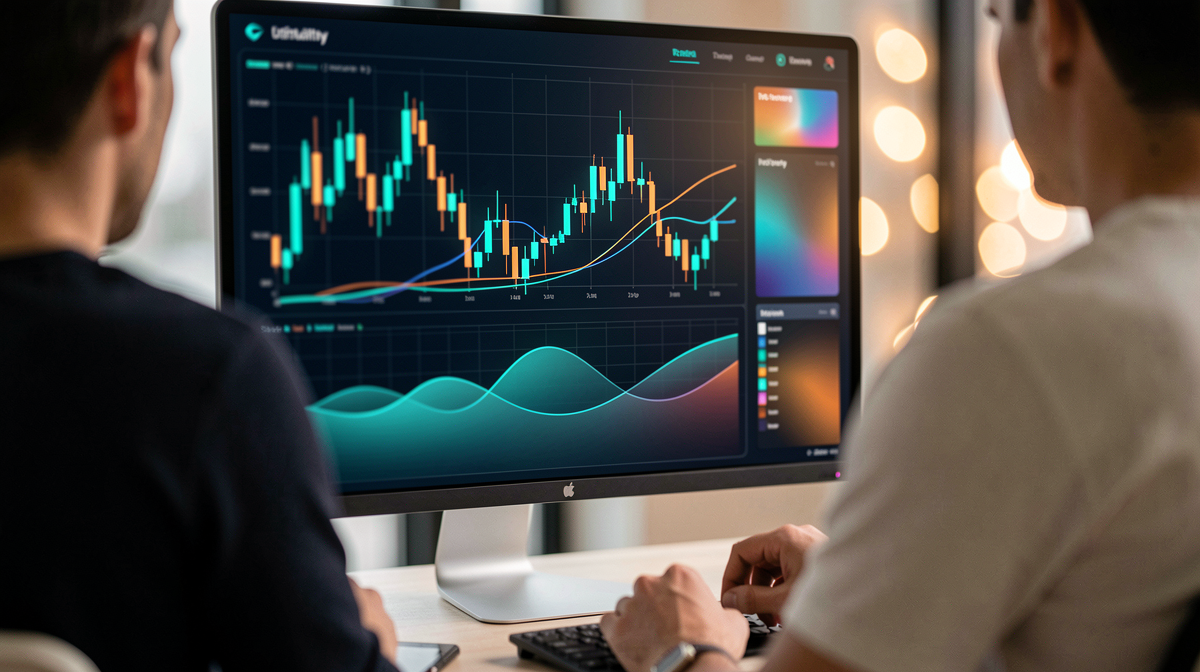
High volatility in tech and utilities demands faster execution. This guide compares leading AI trading platforms on speed and cost for retail investors in 2026.
- AI tools now outperform manual screening on speed, capturing fleeting arbitrage opportunities in volatile sectors.
- Cost efficiency depends on balancing subscription fees against the frequency of high-value signals generated.
- Real-time data integration allows beginners to react to macro shifts like yield spikes faster than traditional methods.
Why Speed Matters in Volatile Markets
Markets in 2026 are defined by rapid repricing. Recent headlines show the Dow falling 400 points while the 10-year Treasury yield hits levels unseen since 2007. For retail investors, manual analysis often lags behind these shifts. The best AI stock trading tools 2026 bridge this gap by processing macro data instantly. When oil prices surge or chip stocks tumble on AI warnings, algorithmic speed allows traders to adjust positions before the broader market fully reacts. This immediacy is critical in sectors like utilities and tech, where valuation multiples compress quickly when rates rise.
Beginners often struggle with information overload. A traditional screener might list fifty stocks meeting basic criteria, but an AI-driven platform prioritizes those with the highest probability of near-term movement. This reduces decision fatigue. By filtering noise, these tools help investors focus on actionable entries rather than endless analysis. The goal is not just faster clicks, but better timing relative to market-wide shocks.
Tools the pros use to research stocks — See recommended tools ›
Comparing Signal Generation Speeds
Speed in trading tools refers to latency: the time between new data arriving and the platform presenting a actionable signal. Leading platforms in 2026 use distributed computing to parse earnings reports, Fed statements, and sector news in milliseconds. Compare this to traditional screeners, which often refresh on delayed intervals. In a scenario where the Nasdaq breaks support due to AI sector warnings, a fast platform flags the breakout immediately. A slower tool might show the same data hours later, by which time the arbitrage window has closed.
For tech stocks, this speed differential is pronounced. News about chip manufacturers like Nvidia or Micron moving stock prices in minutes. AI platforms ingest these headlines and correlate them with historical patterns instantly. This allows for quicker entry into dips or exits during rallies. In contrast, manual traders might wait for a closing bell summary, missing the intraday volatility that drives returns.
Cost Efficiency for Retail Investors
Cost is the second pillar of tool selection. High-end institutional platforms charge significant fees for low-latency access. However, the best investing apps for beginners 2026 have democratized this access. Many offer tiered subscriptions where basic AI screening is free or low-cost, while advanced algorithmic execution requires a higher fee. Beginners must assess if the added speed justifies the cost. For long-term investors holding stable utility stocks, a slower, cheaper screener may suffice. For active traders in volatile tech, the premium for speed pays for itself through better entry prices.
A common mistake is overpaying for features unused by beginners. A sophisticated algorithmic backtesting suite is valuable only if you trade frequently. If you hold ETFs or blue-chip stocks, a basic AI-driven screener that highlights dividend yields and volatility ratios is more cost-effective. Evaluate your trading frequency. If you trade weekly, a mid-tier plan often offers the best balance of signal quality and price.
Practical Application: Reading the Signals
However, context is vital. A positive signal for a tech stock might be negated by a broad market selloff triggered by rising oil prices. The best tools integrate this macro context. They do not just predict individual stocks; they assess how the stock moves relative to the index. This relative strength analysis helps beginners avoid buying weak stocks during rallies or panic-selling during dips.
Balancing Automation with Human Judgment
It is also crucial to review the accuracy of predictions over time. Most platforms provide a historical accuracy metric. A tool that consistently predicts short-term moves with 60% accuracy is valuable. A tool claiming 90% accuracy often relies on overfitting past data. Look for platforms that explain their logic, such as weighting recent news more heavily than older trends. Transparency builds trust and helps investors understand when to follow the algorithm and when to step back.
Future-Proofing Your Tool Choice
As we move through 2026, market volatility is expected to remain elevated. Inflation data and Fed policy decisions will continue to drive rapid repricing. Choose tools that adapt to these changes. Look for platforms that update their models frequently, incorporating new data sets like ESG scores or supply chain disruptions. Static algorithms become obsolete quickly. Dynamic systems that learn from recent market behavior provide better long-term utility.
For beginners, starting with a user-friendly interface is essential. Complex dashboards can hinder quick decision-making. The best investing apps for beginners 2026 prioritize clarity: clear buy/sell signals, concise news summaries, and easy-to-read charts. As your experience grows, you can unlock advanced features like algorithmic backtesting or multi-asset correlation analysis. Start simple, verify the signals, and scale up your usage as your confidence increases. The right tool amplifies your intuition rather than replacing it.
Frequently asked questions
What is the difference between an AI stock screener and a traditional screener?
Traditional screeners filter stocks based on static criteria like P/E ratios or dividend yields. AI stock screeners analyze real-time news, sentiment, and market trends to predict short-term price movements, offering dynamic signals rather than static lists.
Are AI trading tools suitable for beginner investors?
Yes, if used correctly. AI tools help beginners process large amounts of data quickly and identify potential opportunities they might miss. However, beginners should still verify signals with basic fundamental analysis to avoid over-reliance on automated outputs.
How do rising Treasury yields affect AI stock predictions?
Rising yields often compress valuation multiples, particularly for growth stocks. AI models incorporate this by adjusting risk assessments for high-growth sectors. Effective tools will signal a rotation toward defensive stocks with stable cash flows when yields spike.
Do expensive trading platforms guarantee better returns than free ones?
Not necessarily. Higher costs often buy faster data processing and more complex algorithms. For long-term investors, a well-designed free screener may be sufficient. Active traders who need millisecond-level execution may benefit from premium tiers, but results depend on strategy, not just tool cost.
How accurate are AI-generated stock predictions?
Accuracy varies by market condition. AI models generally perform well in trending markets but can struggle in choppy, sideways conditions. It is important to view predictions as probabilistic guidance rather than guaranteed outcomes, and to check historical accuracy metrics provided by the platform.
Please note. AI Stock Predictions content is generated by artificial-intelligence and machine-learning models for educational and informational purposes only. It is NOT financial, investment or trading advice. Forecasts can be wrong. Always do your own research and consult a licensed financial advisor before making investment decisions. Investing involves risk, including possible loss of principal. Our AI forecasts are experimental: in our own checks they were no better than a simple “no change” guess.


